

Your property’s valuation depends on more than its size and finish. Recent nearby sales, buyer demand and market timing shape the price, while planning restrictions can limit changes that add value. Energy efficiency may strengthen appeal, but hidden structural or system defects can prompt discounts. You’ll give an appraiser a clearer picture with accurate records of upgrades, permits and repairs. The sections below explain how these factors interact and what you can do to prepare.
Key Takeaways
- Recent nearby sales, buyer demand, interest rates, and housing inventory can shift your valuation even when your property is unchanged.
- Conservation rules, zoning, and development limits may restrict improvements and affect a property’s appeal or future potential.
- Energy ratings, insulation, efficient heating, and documented upgrades can influence buyer interest and expected running costs.
- Hidden structural damage, leaks, outdated wiring, or deferred maintenance may reduce value and prompt costly buyer negotiations.
- Accurate records of repairs, permits, upgrades, and comparable sales help appraisers assess your home’s condition and market value.
How Nearby Sales Affect a Property Valuation
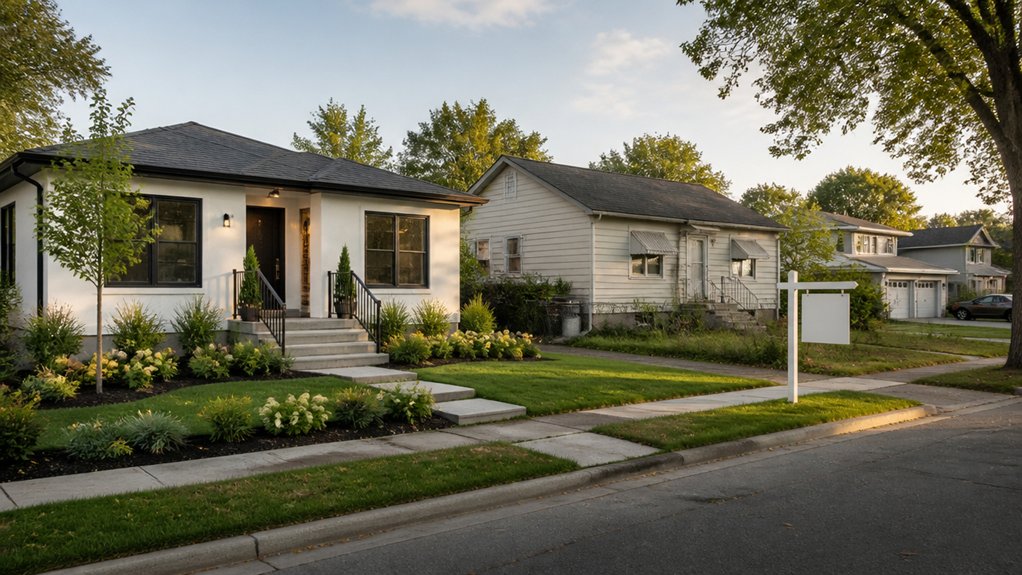
Recent nearby sales often carry more weight in a property valuation than broad market averages because they show what buyers have actually paid for comparable homes. Your valuer will compare recent transactions, adjusting for differences in size, condition, layout, and features. A renovated kitchen may support a higher estimate, while deferred maintenance can pull it down.
The strongest comparables usually sit close to your home and share its property type, age, and appeal. Sales from another area may offer limited insight, even when prices look similar. Neighborhood demographics and local amenities help explain demand, but actual sale prices anchor the analysis.
Timing matters, too: a transaction from several months ago may need context if buyer competition or financing conditions have shifted. You’ll get a more credible valuation when comparisons reflect both property details and current local market evidence.
How Planning Restrictions Affect Your Home’s Value
Planning restrictions can cap your home’s future development potential, limiting extensions or changes that might increase its value. If your property sits in a conservation area, stricter rules may protect its character while raising renovation costs and narrowing your options.
These constraints can reduce buyer appeal, though scarcity and preserved surroundings may attract buyers who value them.
Limits on Future Development
A home’s value depends not only on what you can change, but also on what local rules allow nearby.
Zoning regulations shape what developers can build around you, from housing density to commercial uses. Building height limits can preserve light and open views, but they may also constrain redevelopment and future supply.
These rules influence buyer expectations: a protected outlook can support a premium, while nearby development potential may create uncertainty or added traffic. Check your local planning map and recent applications before you buy or sell.
A permitted project isn’t guaranteed, and proposals can change, but approved plans may signal a shift in the area’s appeal. Consider how likely development is, what it could add or remove, and whether buyers will value that change.
Your property’s position relative to planned sites can affect demand, comparable sales, and negotiating power.
Conservation Area Restrictions
When a home sits in a conservation area, restrictions on alterations can shape both its appeal and its market value. You may need consent before changing windows, roofing, exterior finishes, or boundary features, even when similar work elsewhere wouldn’t require approval. These controls support historic preservation and protect the area’s architectural significance, but they can also limit your options and increase project costs.
For valuation, the key question is how those constraints affect the property’s condition, usability, and potential for improvement. A well-maintained home with compliant features may retain value, while deferred repairs or costly consent requirements can weigh on price.
Check the local designation, planning guidance, and any Article 4 directions before you estimate renovation budgets. Buyers and valuers will assess the practical impact, not just the designation itself.
Impact on Buyer Appeal
How do planning restrictions shape buyer appeal? They influence what you can change, how quickly you can improve a property, and what buyers expect to pay. Limits on extensions, replacement windows, or exterior finishes may deter buyers seeking flexibility, particularly when comparable homes offer fewer constraints.
Yet restrictions don’t automatically reduce value: a well-maintained period home can attract buyers who prize character and protected surroundings.
Your presentation matters. Strong Curb appeal, achieved through permitted maintenance and thoughtful landscaping, helps buyers see the property’s potential without promising changes they can’t make.
Inside, effective interior staging can highlight usable space and original features, shifting attention from restrictions to lifestyle benefits.
Be transparent about permissions and likely approval requirements. Buyers price uncertainty into offers, so clear documentation can protect confidence, support negotiations, and help you position your home accurately against less restricted alternatives.
How Energy Efficiency Influences Your Valuation
Your property’s energy performance rating can shape buyer demand, running-cost expectations, and the price you’ll achieve.
Insulation and heating efficiency affect comfort and bills, making their condition a practical valuation factor.
Targeted upgrades can strengthen your home’s market position, but their value depends on cost, quality, and buyer priorities.
Energy Performance Ratings
Energy performance ratings can influence both a property’s market value and its appeal to buyers. A strong rating signals lower expected energy costs and may help your home stand out in a competitive market. Buyers increasingly weigh efficiency when comparing properties, so a poor score can prompt tougher negotiations or limit interest.
Your rating also gives valuers evidence of the home’s efficiency credentials, though it won’t determine the final figure alone. Local demand, comparable sales, and the property’s overall condition still matter.
If you’ve invested in renewable energy, verify the system’s details are documented and reflected accurately in the assessment. Relevant energy certifications can strengthen your case by providing credible, comparable evidence.
Check that your rating is current before marketing or valuation; clear documentation helps buyers and valuers assess the property’s advantages with confidence.
Insulation And Heating
Insulation and heating shape a home’s running costs, comfort, and buyer appeal—all factors that can influence valuation. Buyers often look beyond an energy rating to judge whether your property feels warm, operates efficiently, and avoids excessive bills.
Effective insulation materials in roofs, walls, and floors can limit heat loss, while well-maintained heating systems deliver reliable performance. Together, these features support thermal comfort and make costs more predictable—qualities that can strengthen demand.
Conversely, draughts, uneven temperatures, or an ageing boiler may prompt buyers to question future expenses and negotiate accordingly. Valuers may consider the condition and effectiveness of these elements alongside comparable sales and local market conditions.
Clear evidence of insulation coverage and heating maintenance helps you present the home accurately. Energy efficiency won’t determine value alone, but it can influence how buyers perceive the property and what they’re willing to pay.
Efficiency Upgrade Value
When efficiency upgrades lower running costs and improve comfort, they can strengthen a property’s appeal and support its valuation. Buyers increasingly weigh energy bills alongside purchase price, so documented savings can help your home stand out.
Smart thermostats offer convenient control and may signal modern, efficient management, while solar panels can reduce reliance on grid electricity. Their value depends on system age, condition, ownership, output, and local energy prices; leased equipment may complicate a sale.
Don’t assume every upgrade adds its full installation cost to your valuation. An appraiser or buyer will consider comparable sales, expected savings, maintenance needs, and regional demand.
Keep utility bills, warranties, permits, and performance records to substantiate benefits. Prioritize upgrades that deliver measurable savings and broad buyer appeal, then present their impact clearly when you market your property.
How Hidden Repairs Can Lower Your Home’s Value
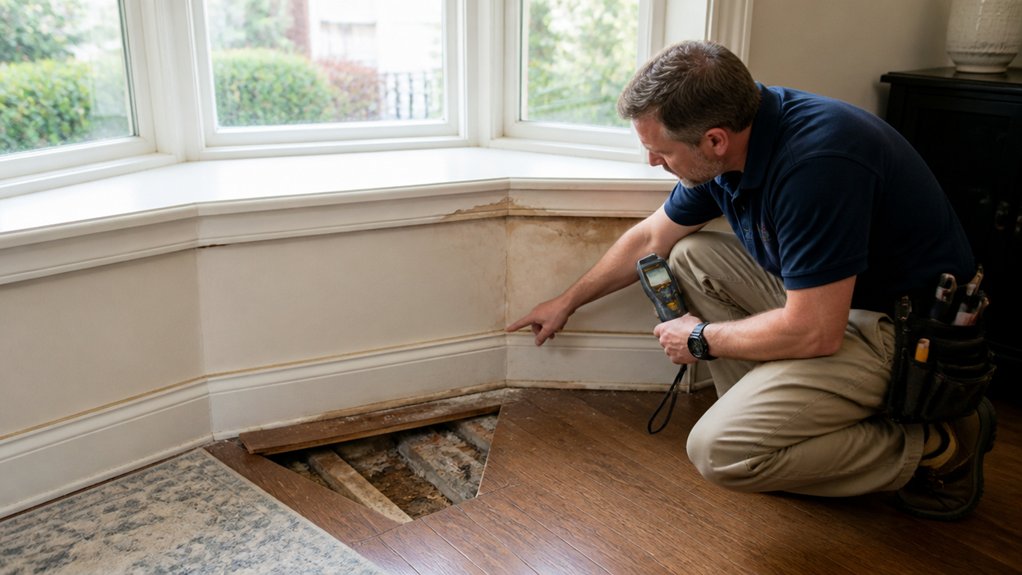
A home can look move-in ready and still lose value to repairs buyers can’t see. Hidden damages behind walls, beneath flooring, or in the roof can turn a strong first impression into a costly negotiation.
Buyers and appraisers assess more than finishes: they consider the condition of major systems and the risk of deferred work.
Structural issues, such as foundation movement or weakened framing, can prompt inspections, repair estimates, and price concessions. Even less visible problems, including outdated wiring, plumbing leaks, or moisture intrusion, may lead buyers to discount your home because they’ll need to budget for uncertainty.
You can protect its valuation by arranging a qualified inspection, documenting completed repairs, and addressing material defects before listing. Clear evidence helps buyers judge the property’s actual condition rather than assume the worst.
Why Valuation Timing and Market Conditions Matter
Even a well-maintained home can receive different valuations as market conditions shift. Your valuation reflects a snapshot of buyer demand, available inventory, financing costs, and recent comparable sales—not a permanent measure of worth.
When listings are scarce and buyers compete, your property may command a stronger estimate. Rising interest rates or a surge in competing homes can weaken that outlook, even if your home hasn’t changed.
Market timing matters because these forces move quickly. An appraisal completed months before a sale may miss a shift in local demand or pricing.
Economic trends, including employment growth and borrowing costs, also shape what buyers can afford and how confidently they bid. You should interpret a valuation in context: its date, the market evidence available, and conditions influencing your area at that moment.
How to Prepare for an Accurate Home Valuation
To get an accurate home valuation, give the appraiser a clear, current picture of your property. Before the visit, prepare a concise list of upgrades, including dates, costs, and permits. Share comparable sales you’ve researched, but let the appraiser weigh their relevance against location, condition, and market timing.
Home staging can improve presentation, yet it won’t change square footage or erase functional issues. Tidy rooms, clear access to key features, and address minor maintenance problems so the appraiser can assess condition without distraction.
Don’t conceal defects: complete seller disclosures and explain any repairs, damage, or ongoing concerns. Provide floor plans, receipts, and records that support your claims.
Your preparation won’t guarantee a higher figure, but it can reduce uncertainty, prevent overlooked improvements, and help the valuation reflect your home’s actual features and the market’s current evidence.
Conclusion
Your property valuation is a snapshot, not a verdict. Nearby sales, planning restrictions, energy performance, hidden repairs and shifting market conditions all leave their mark—sometimes like unseen currents beneath calm water. You can’t control every factor, but you can prepare: gather accurate records, address visible issues and understand local trends before the valuer arrives. Treat the process like reading a map, not a crystal ball. With clear information and realistic expectations, you’ll see what shapes your home’s worth and where you can act.
Leave a Reply