
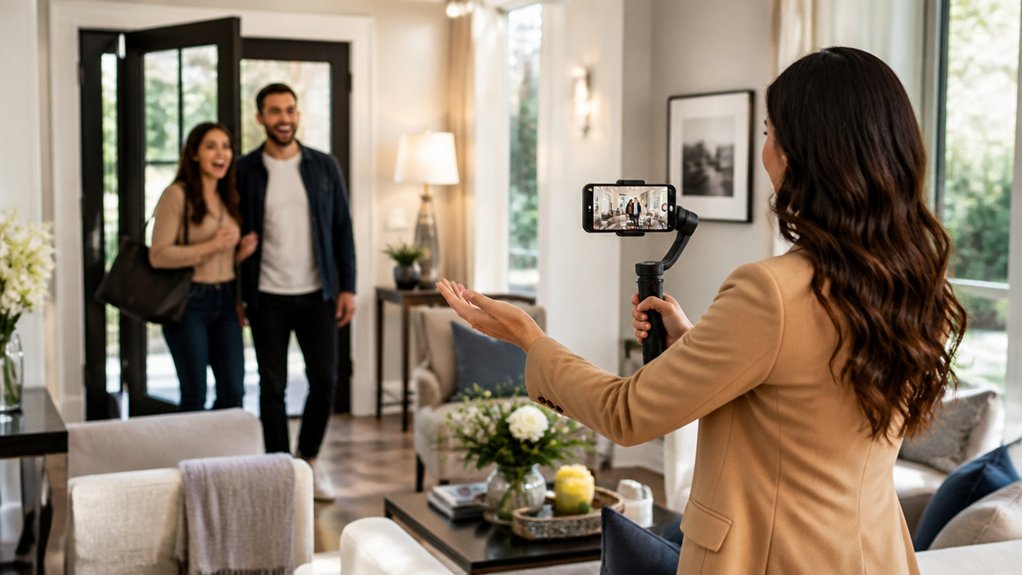
To stop the scroll and move your home faster, lead with bright, well-composed photos that spotlight its strongest feature, then use smooth short videos to show how rooms connect. Tell a vivid, accurate story that helps buyers picture daily life, and make open houses welcoming with clear floor plans and thoughtful details. Invite social engagement with easy questions, respond quickly, and track which posts, platforms, and showings attract interest. Keep refining your approach, and you’ll uncover more ways to turn attention into action.
Key Takeaways
- Lead listing galleries with the home’s most striking feature, using bright, natural light and undistorted photos.
- Create smooth, authentic short-form videos that reveal room flow, standout details, and outdoor spaces.
- Write vivid, accurate listing stories that help buyers picture daily life and practical benefits.
- Use polls, engaging questions, and prompt replies on social media to turn interest into showing requests.
- Promote open houses and limited-time opportunities with clear calls to action, targeted ads, and timely follow-ups.
Make Listing Photos Stop the Scroll
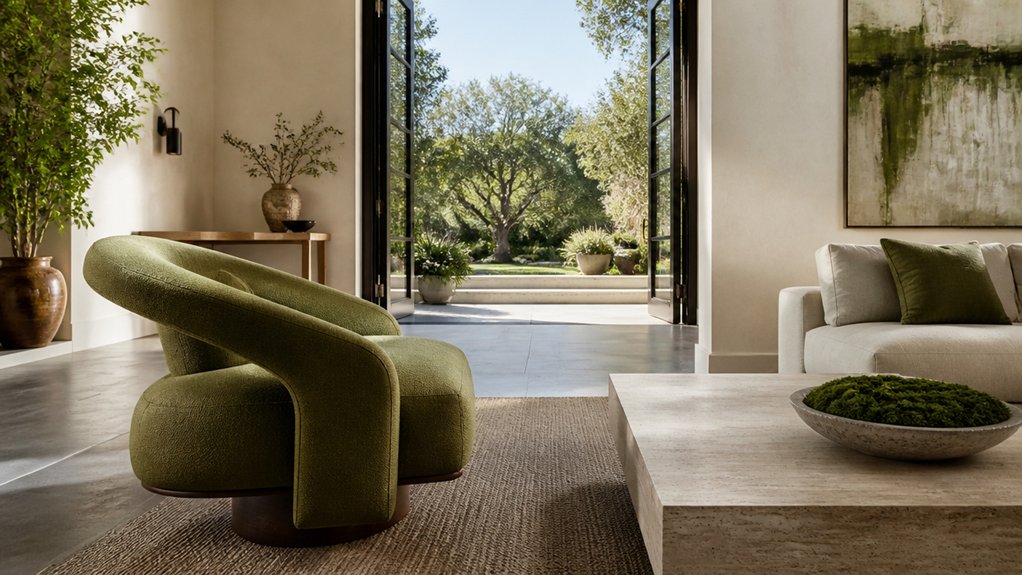
Your listing photos have seconds to earn a second look. Lead with the home’s strongest feature: a sunlit kitchen, inviting outdoor space, or striking architectural detail. Shoot in natural light, straighten vertical lines, and frame each room to feel spacious without distorting its proportions. Buyers notice polish, but they also trust accuracy.
Lead with natural light and your home’s strongest feature, balancing polished framing with honest proportions buyers can trust.
Use Virtual staging to help shoppers picture an empty room’s potential, and label staged images clearly. Keep furnishings realistic and suited to the property’s style; overcrowded or misleading edits can undermine confidence.
Add Neighborhood highlights that show nearby parks, cafés, transit, or walkable streets, giving buyers context beyond the front door. Choose images that make those benefits tangible, not generic.
Put your most compelling photo first, then arrange the gallery to tell a logical story. A thoughtful sequence can earn more clicks, longer attention, and stronger inquiries.
Create Short-Form Videos That Show the Home
A short-form video can turn a quick glance into a virtual walk-through. Keep yours focused: open with the home’s strongest visual, then guide viewers through its most compelling spaces.
Smooth, steady footage helps buyers understand the layout, while natural light and uncluttered rooms make each frame feel inviting. This kind of video storytelling earns attention without asking viewers to commit to a full tour.
Show how rooms connect, highlight distinctive finishes, and include a glimpse of the outdoor space. Use concise on-screen labels for key features, and add captions so people can follow along with the sound off.
Your visual storytelling should feel polished but authentic; avoid rapid cuts or filters that distort the home. End with a clear invitation to book a showing, and make it easy to take the next step.
Write Listing Stories Buyers Can Picture
Turn a property’s features into a story that helps buyers imagine living there. Don’t just list the sunny kitchen; show how you’d start a slow Sunday with coffee at the island. Connect the flexible den to your workday, then picture it becoming a quiet reading nook after hours. These storytelling techniques make practical details feel personal without promising more than the home delivers.
Choose vivid, accurate language that speaks to your target buyer’s priorities. Mention the pantry’s storage, the patio’s privacy, or the short walk to local shops when each detail supports a lifestyle. If rooms look empty, use virtual staging to suggest clear, realistic possibilities, and describe those ideas transparently.
Keep the narrative focused and easy to scan. When buyers can picture their routines in the space, your listing gives them a stronger reason to schedule a showing and act.
Make Open Houses Memorable for Buyers
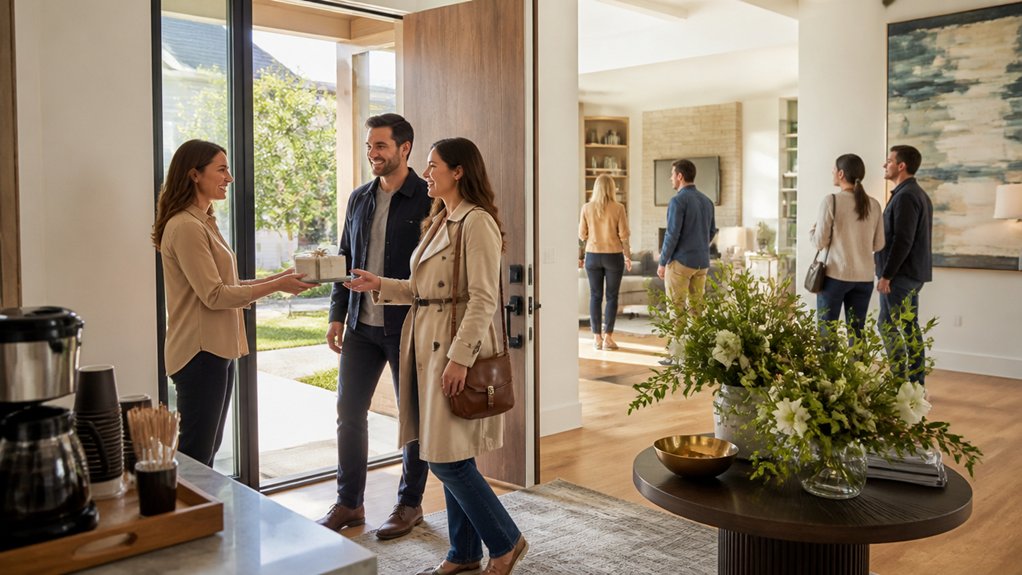
You’ll set the tone with a warm welcome that helps buyers feel at home from the moment they arrive.
Add thoughtful sensory details to make the space stick in their minds.
Then invite them to explore with interactive tours that turn casual visits into stronger connections.
Create a Welcoming First Impression
When buyers walk through an open house, a warm welcome can make the property feel like a place they’d love to call home. Start outside: tidy landscaping, a clear path, and a freshly painted front door strengthen curb appeal before visitors step inside. That first impression can shape how they judge every room, so make the entrance feel cared for and easy to navigate.
Greet guests promptly, offer a simple floor plan, and let them explore at their own pace. A friendly, informed host can answer questions without hovering, helping buyers picture how the home fits their lives.
Keep surfaces uncluttered and lighting bright, so the space feels open and well maintained. Small, thoughtful touches signal value and build trust—two advantages that can keep your listing memorable after buyers leave. Don’t underestimate the welcome.
Add Memorable Sensory Details
A few well-chosen sensory details can make an open house linger in buyers’ minds. Choose a subtle signature scent, such as fresh citrus, and keep it consistent with the home’s character. Let natural light fill rooms, open curtains, and switch on warm lamps to create an inviting glow. Soft background music can help, but keep the volume low enough for easy conversation.
Use sensory branding with restraint: overpowering fragrances, loud playlists, or elaborate staging can distract buyers and raise questions about what you’re masking. Instead, pair clean surfaces and comfortable textures with one thoughtful detail, like fresh flowers on a dining table.
These cues support emotional storytelling, helping buyers picture relaxed mornings or lively dinners in the space. When every detail feels authentic, you’ll make the visit memorable—and give buyers a stronger reason to imagine calling the property home.
Offer Interactive Home Tours
Turn an open house into an experience buyers can explore, not just a series of rooms to walk through. Give visitors a simple floor plan with prompts that lead them to standout features, from a hidden pantry to a sunlit reading nook.
Add QR codes linking to renovation details, utility costs, or a 3D walkthrough, so buyers can investigate at their own pace. Virtual reality can help out-of-town prospects picture the layout before they visit in person.
Make the tour interactive with a design poll or a “choose your favorite room” card; small moments of participation make the home easier to remember.
Pair the showing with community events, such as a local coffee tasting, to connect the property with its neighborhood. You’ll create a more engaging visit—and a stronger reason to follow up.
Invite Buyer Engagement With Social Posts
Social posts work harder when they invite buyers to join the conversation, not just scroll past your pitch. Ask followers which room they’d claim first, what feature matters most, or how they’d use a flexible space. These simple prompts turn a listing into a two-way exchange and help you surface what buyers value.
Pair questions with crisp photos, short videos, and Virtual staging that shows a home’s potential without obscuring its real features. Invite people to share the post with someone who’s house-hunting, then respond promptly to comments and direct messages. Your replies can answer practical questions, clarify details, and guide interested buyers toward a showing.
Use polls, neighborhood recommendations, and local event prompts to build Community engagement. When you make participation easy and useful, you give buyers a reason to stop, respond, and remember the property.
Track Which Real Estate Marketing Tactics Work
Once your posts spark buyer interest, track which marketing tactics turn that attention into inquiries and showings. Compare each channel’s reach, clicks, saved listings, direct messages, and booked tours. Market analytics can reveal whether a polished video, neighborhood guide, or targeted ad attracts serious prospects—not just casual views. Use tracking links and consistent campaign labels so you can connect every inquiry to its source.
Then follow leads through the next steps. Note who responds, schedules a showing, makes an offer, or goes quiet. That insight helps you refine lead nurturing with timely follow-ups and relevant property updates.
If one post drives tours while another earns only likes, shift your time and budget toward the stronger performer. Review results weekly, test one change at a time, and keep the tactics that move buyers closer to action.
Conclusion
You don’t need a huge budget or a viral post to help a home stand out. You do need to show buyers why it’s worth seeing, then track which photos, videos, stories, and events bring them through the door. If you’re worried creative marketing will take too much time, start with one tactic and reuse the content across channels. Keep what earns attention and inquiries; drop what doesn’t. With a sharper strategy, you can turn more views into showings—and move a listing closer to sold.
Leave a Reply