
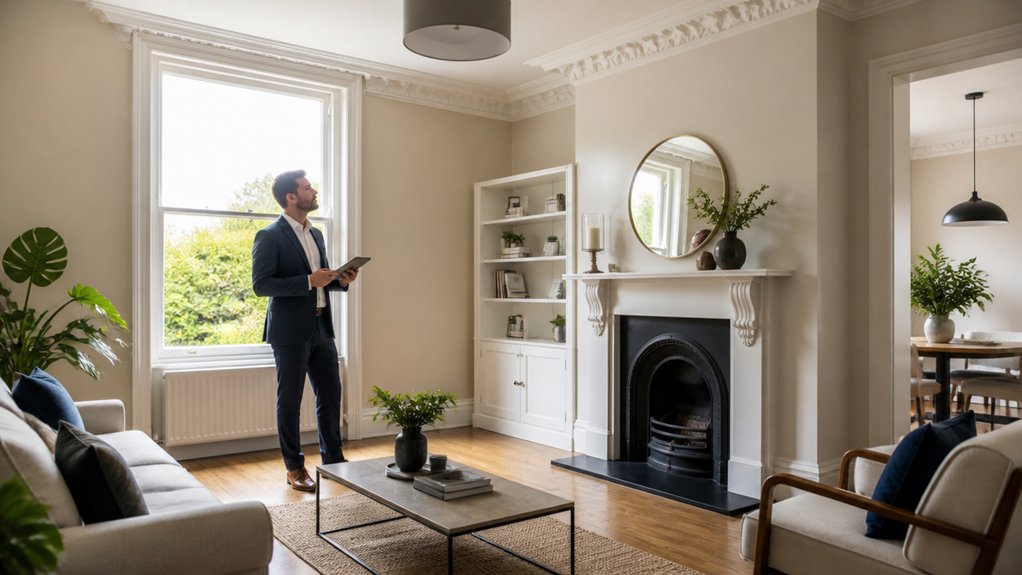
During a property valuation visit, an estate agent assesses your home’s condition, layout, features and location to estimate a realistic selling price. They’ll tour accessible rooms, note upgrades, storage and natural light, and ask about the property’s history, improvements and practical costs. The agent also compares your home with similar nearby sales and considers local demand and competition. Preparing documents and making rooms accessible helps them build a clearer picture of your property’s appeal and explain how they arrive at their estimate.
Key Takeaways
- Condition and maintenance: Agents inspect visible defects, recent repairs, and overall upkeep to assess buyer appeal and likely costs.
- Layout and features: They consider room flow, natural light, storage, flexible spaces, and useful upgrades.
- Property details: They ask about age, tenure, renovations, planning permissions, guarantees, and ongoing costs.
- Location and comparable sales: They weigh local amenities, transport, recent sales of similar homes, and current competition.
- Market value and buyer demand: They combine the property’s features and condition with market trends to recommend a realistic price.
What Happens During a Property Valuation Visit?

During a property valuation visit, an estate agent assesses your home’s condition, features and location to estimate its likely market value. The agent will tour each accessible room, noting the layout, natural light, storage, and any upgrades that could influence buyer appeal.
A valuation visit considers your home’s condition, features and location to estimate its likely market value.
They’ll also consider the property’s age, size, and distinctive features, comparing them with similar homes nearby. Expect questions about your home’s history and any changes that may affect its value.
The agent will assess the local market, including recent sales, current competition, and market trends. These factors help shape realistic pricing strategies for your property.
After the visit, the agent can explain the valuation, outline the evidence behind it, and discuss how your home’s strengths and limitations may affect its likely selling price. This gives you a clearer basis for deciding how to proceed.
What Should You Prepare for the Agent’s Visit?
Before the agent arrives, make the visit more useful by preparing a few key details and ensuring they can access every room and relevant feature. Gather information about your property’s age, tenure, council tax band, and any planning permissions or guarantees.
A concise list of recent renovations, including dates and supporting invoices or certificates, can help the agent understand the home’s history. Note any features you’d like to highlight and prepare answers about ongoing costs or practical arrangements.
Tidy surfaces, open curtains, and make rooms easy to enter; these simple staging tips help the agent view the property without distraction. Secure pets and arrange access to garages, lofts, gardens, and outbuildings.
You don’t need to undertake major work: clear preparation supports an efficient, informed visit and a more accurate valuation.
How Condition, Layout, and Features Affect Value
An agent assesses how well your property’s condition, layout, and features meet local buyers’ expectations. Your property condition can influence both perceived value and buyer confidence. Fresh, well-maintained interiors suggest fewer immediate costs, while visible repairs may prompt buyers to adjust their offers. You don’t need costly renovations; address obvious defects and present each room as clean and cared for.
Your layout features also shape how practical and appealing your home feels. A connected kitchen and living area, useful storage, and flexible rooms can suit everyday needs. Awkward circulation or limited natural light may reduce that appeal, even when the floor area is generous. Highlight features that add convenience, such as efficient heating or quality fittings.
An agent considers how these details compare with buyer expectations and may recommend targeted improvements before you market your home.
How Location and Recent Sales Shape Your Valuation
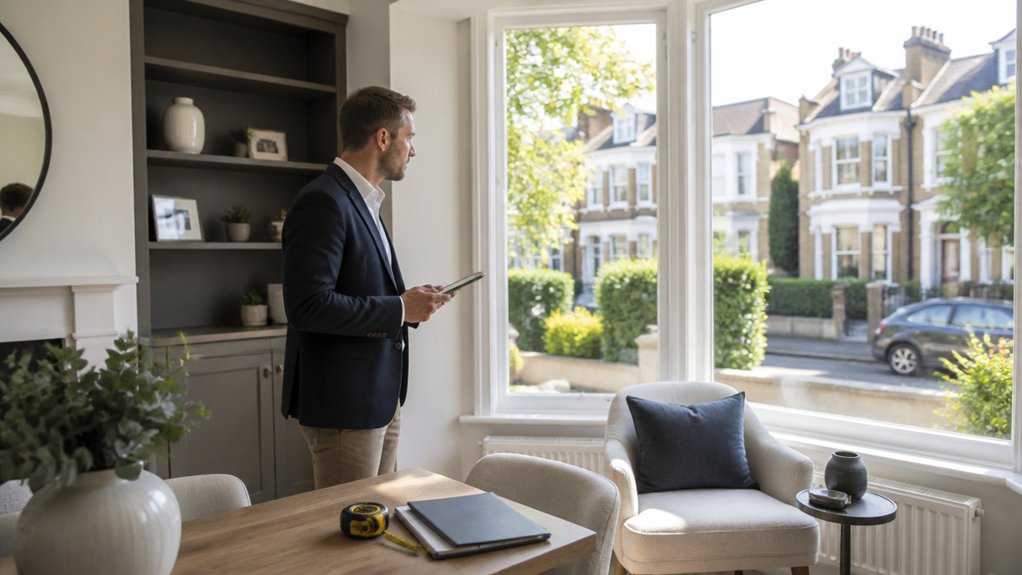
Location sets the context for your property’s value, while recent sales show what buyers have actually paid nearby. Your agent will consider factors such as the street, access to transport, local amenities, and the character of surrounding homes. These details help explain how your property compares with others in the area.
Recent completed sales provide a practical benchmark. Your agent will compare properties with similar size, style, and features, then adjust for meaningful differences. Asking prices offer context, but they don’t confirm what buyers ultimately paid.
Neighborhood trends and market fluctuations can also affect the evidence. A sale from several months ago may carry less weight if prices have since shifted, so your agent will assess timing and relevance.
How Local Demand Influences the Estimate
Comparable sales show what buyers have paid, while local demand helps indicate how many may compete for your property now. An agent considers how quickly similar homes attract viewings and offers, alongside the number of active buyers seeking your type of property.
Strong demand can support a more confident estimate, especially when several buyers want the same features. However, interest varies by property, so your home’s condition, layout, and presentation still matter.
Your agent will also assess market trends and buyer preferences in the area. For example, demand for outdoor space, extra bedrooms, or convenient transport links may influence how appealing your home feels to local buyers.
Seasonal shifts and changes in borrowing costs can affect activity, too. This context helps you understand how current competition may shape buyer interest in your property.
How an Estate Agent Sets Your Valuation Figure
After reviewing comparable sales, local demand and your property’s condition, the agent weighs the evidence to set a realistic valuation figure. They’ll compare your home with similar properties recently sold nearby, adjusting for differences in size, layout, condition and features.
A realistic valuation weighs comparable sales, local demand and your property’s condition to reflect its true market position.
Market trends also matter: changing buyer demand and available supply can influence what purchasers will pay. Your agent may consider current competition, likely viewing interest and feedback from recent sales to judge how your property will perform.
They’ll then recommend a figure designed to attract serious buyers while reflecting your home’s market position. Ask how the agent reached their estimate and which evidence supports it.
A clear explanation helps you understand the balance between ambition and valuation accuracy, so you can make an informed decision about your asking price.
Conclusion
A valuation visit isn’t an inspection you need to fear; it’s a chance to show your home in its best light. When you understand what the agent considers—from condition and layout to recent sales and local demand—you can prepare with confidence and ask informed questions. Be honest about improvements, highlight useful features, and share relevant details. The clearer the picture you give, the more grounded your estimate can be, helping you set the right course for your sale. Don’t leave any stone unturned.
Leave a Reply