
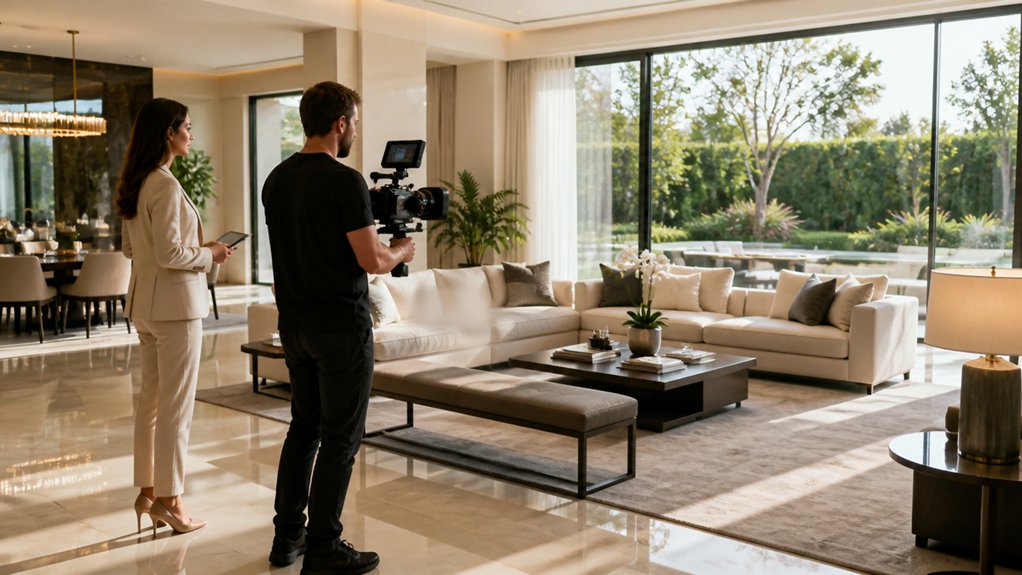
Professional property films can help you sell a home faster by showing buyers how its rooms connect, how the light moves, and what makes the space feel distinctive. Unlike photos alone, a well-produced video can build an emotional connection before a viewing and help you attract more serious inquiries. The right style and distribution matter, though—and one overlooked choice can limit a film’s impact.
How Property Films Can Help Homes Sell Faster
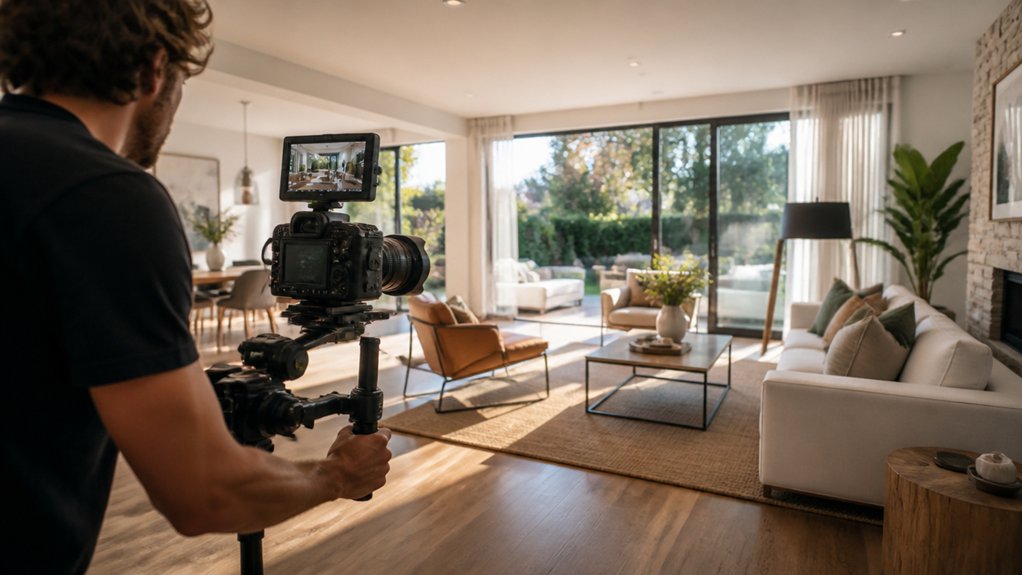
A property film can help your home sell faster by giving buyers a vivid sense of its layout, features, and atmosphere before they visit. When you share a polished film in your listing, you can capture attention and encourage serious buyers to book a viewing.
The film lets people assess whether your home suits their needs, so fewer visitors arrive with mismatched expectations. That can help you spend less time on unproductive appointments and focus on qualified prospects.
A compelling presentation can also make your listing easier to remember among competing homes. If buyers connect with the property, they may act sooner and approach you with stronger interest.
Share the film across listing platforms and social channels to reach more potential buyers. With clear, engaging production, you can build confidence, increase inquiries, and support a quicker sale.
How Property Films Show More Than Photos
Photos capture individual moments, but a property film reveals how each room connects and how the home feels as you move through it. You can see the route from the entry to the living area, notice how daylight shifts across the rooms, and understand the scale of spaces in relation to one another.
A steady walkthrough shows details that still images may miss, such as a doorway’s width, a room’s layout, or the view from a window. You also get a clearer sense of transitions between indoor and outdoor areas, including how a patio sits beside the kitchen or living room.
With smooth camera movement and considered framing, a film gives you useful context before you arrange a visit. It helps you assess the property’s features and flow more accurately than a gallery of separate photos.
How Storytelling Helps Buyers Connect With a Home
When a property film follows a thoughtful narrative, you can imagine what it’s like to live in the home, not just how its rooms look. As the camera moves from the front door to the kitchen, you can picture your own daily routine unfolding there. A sunlit breakfast nook might suggest slow mornings, while a spacious living room could bring to mind evenings with friends.
That emotional connection helps you assess more than a floor plan. You can notice how spaces relate, how natural light changes the mood, and where you might relax or gather. A clear narrative also gives each feature context, helping you remember what makes the property feel distinctive.
Rather than simply viewing a list of rooms, you can envision a home that fits your life and feel more confident deciding whether to visit.
How to Choose a Property Film Style
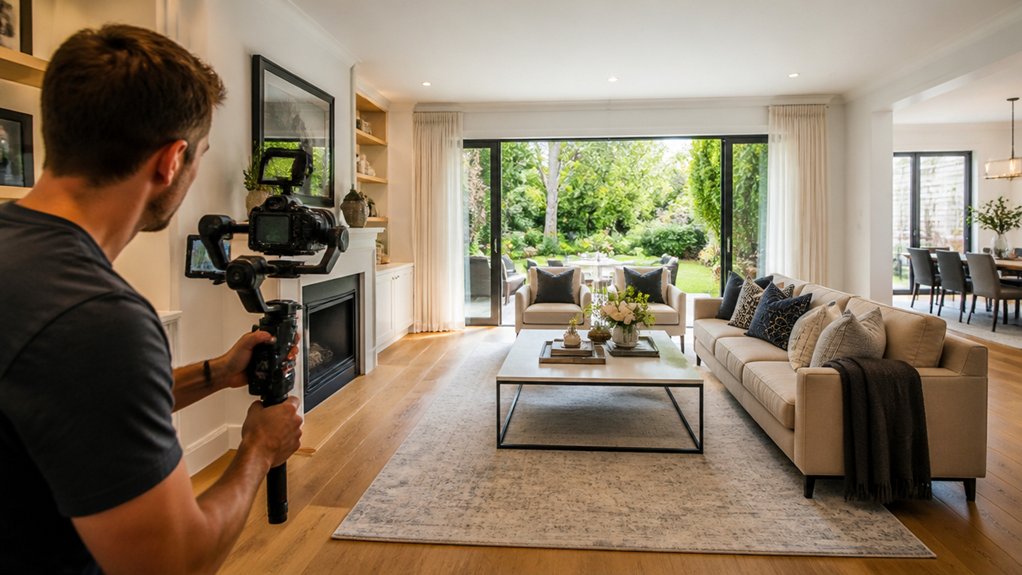
Which film style will best present your property depends on its character and your audience.
For a sleek condo, you might choose a polished, fast-paced tour with clean transitions and modern music.
A historic home may suit a slower, cinematic approach that highlights craftsmanship and atmosphere.
If buyers need a practical overview, use a straightforward walkthrough that shows the layout and key features clearly.
Consider what your ideal buyer values, then shape the film around those priorities.
You can use voiceover to explain details, on-screen text to emphasize features, or natural sound to create an intimate feel.
Keep the pacing appropriate: quick cuts can energize, while lingering shots let viewers appreciate design and scale.
Choose a style that feels authentic to the property, supports its strongest selling points, and helps viewers imagine living there.
Where to Share Property Films With Buyers
Once you’ve chosen a film style, share it where prospective buyers are most likely to see it. Add the video to your property listing so viewers can explore the home without leaving the page. Post it on your agency’s website and social media accounts, where followers can watch and share it.
You can also include the film in email campaigns, sending it directly to buyers who match the property’s features and price range.
Use platforms that support high-quality playback and mobile viewing, since many buyers browse on their phones. Write a clear caption with the property’s location, key features, and a link to the full listing.
Ask your agents to share the film with their networks, and provide it to relocation specialists or buyer representatives who may have clients seeking a home like yours.
How to Measure a Property Film’s Results
Track how your property film performs to see whether it’s reaching and engaging potential buyers. Start with views and unique viewers to understand how many people watched.
Then check average watch time and completion rate: these show whether your film holds attention through the final shot. Compare results across platforms, since audiences behave differently on listing sites, social media, and email.
Look beyond views to measure buyer interest. Track clicks to your property listing, inquiries, showing requests, and shares. Use tagged links or platform analytics to connect actions to the film.
Compare these results with listings that don’t include video, while accounting for price, location, and time on market.
Review performance regularly and adjust your approach. If viewers leave early, shorten the opening or improve pacing. If engagement is strong but inquiries are low, make the next step clearer.
Conclusion
Professional property films help you sell faster by showing buyers how a home looks, feels, and flows beyond what photos can capture. With thoughtful storytelling and a style that suits the property, you can build an emotional connection and attract more qualified interest. Share your film across listing platforms and social media, then track views, inquiries, and showings to measure its impact. When buyers can picture themselves at home, they’re more likely to act with confidence.
Leave a Reply