
To create irresistible property listings, start by identifying the buyers most likely to value your home, then lead with a specific, accurate headline and standout features. Choose bright, uncluttered photos that load quickly, and write a warm, honest description that helps buyers picture daily life. Optimize for local search and mobile screens, with clear inquiry options. Respond promptly, answer questions accurately, and make booking a viewing simple. Keep going to discover how each step can turn interest into action.
Key Takeaways
- Identify likely buyers by matching the property’s location, size, condition, and features to local demand and buyer priorities.
- Write accurate, specific headlines that lead with standout features and convey the neighborhood’s character.
- Use bright, well-composed photos and clear descriptions to showcase the home honestly and help buyers picture daily life.
- Optimize listings for search and mobile: use relevant keywords, fast-loading images, scannable content, and prominent contact options.
- Respond promptly to inquiries, offer convenient viewing options, and follow up politely to keep prospective buyers engaged.
Identify Your Property’s Target Buyers

Before you write your property listing, identify the buyers most likely to want your home. Consider its location, size, condition, and standout features. A compact downtown condo may appeal to first-time buyers or busy professionals, while a spacious home near good schools could attract growing families. This kind of market segmentation helps you focus on what matters to likely buyers instead of trying to appeal to everyone.
Build practical buyer personas based on real property details and local demand. Ask who can afford the home, what they need, and which features might shape their decision.
Then emphasize relevant benefits in your listing: low-maintenance living, flexible work space, or room to grow. You’ll create a clearer, more persuasive description when you match your message to the people most likely to see your property as their next home.
Write a Property Headline That Stands Out
Lead your headline with the features buyers value most, such as a renovated kitchen or private garden.
Use specific language instead of vague claims so your listing feels credible and memorable.
Add a sense of place by highlighting what makes the neighborhood appealing.
Lead With Key Features
A strong property headline puts the home’s most appealing features front and center, giving buyers a clear reason to keep reading. Choose one or two standout benefits, such as a sunlit kitchen, private garden, or convenient location, and lead with what makes the property memorable. You’ll attract more attention when your headline reflects the home’s genuine strengths rather than relying on generic praise.
Look beyond the obvious, too. Property staging may reveal inviting spaces or thoughtful upgrades worth highlighting, while pricing strategies can help you position the listing for its target market.
Keep the headline focused on the features buyers are most likely to value, and make sure those claims match the property. A compelling lead sets expectations, builds interest, and encourages buyers to explore the rest of your listing.
Use Specific Language
Specific details make a property headline easier to picture and harder to overlook. Replace vague claims like “beautiful home” with concrete features buyers can assess: “Three-Bedroom Craftsman with Updated Kitchen” or “Downtown Loft with Private Balcony.” You’ll help the right readers recognize a relevant listing at a glance.
Choose details that are accurate, distinctive, and easy to verify. Mention a notable renovation, useful layout, or included amenity, but don’t cram every selling point into one line. A focused headline earns attention without making promises the property can’t keep.
Your wording should also reflect sound Pricing strategies: avoid language that implies unsupported value or guarantees. Check legal considerations before advertising claims, especially statements about square footage, permitted features, or condition.
When you use precise, truthful language, you build credibility and give prospective buyers a clear reason to explore the listing.
Create A Sense Of Place
Beyond listing features, a strong property headline evokes what it’s like to live there. Help buyers picture their daily routine by highlighting the setting, not just the square footage. A headline such as “Sunny Condo Steps from Riverside Park” gives readers a clear sense of both the home and its surroundings.
Choose details that capture the neighborhood vibe and matter to your likely buyer. Mention local landmarks, walkable cafés, waterfront paths, or a lively arts district when they genuinely define the location. Keep claims accurate and specific; vague promises like “perfect location” won’t set your listing apart.
Pair a distinctive sense of place with one compelling property feature. You’ll create a headline that feels vivid, useful, and memorable—without overselling.
When buyers can imagine themselves in the setting, they’re more likely to open your listing and explore further.
Choose Photos That Sell the Home
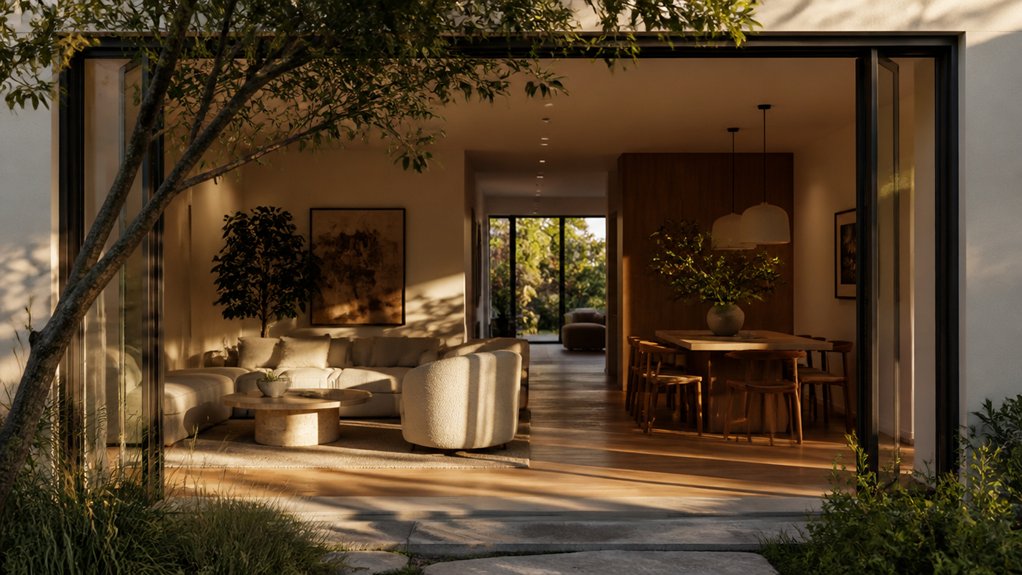
Strong listing photos can turn a casual scroll into a serious inquiry. Choose images that help buyers picture themselves moving through the home, not just a collection of rooms. Start with a bright, inviting exterior, then guide viewers inside with a logical sequence that reveals the layout.
Thoughtful photo composition makes each space feel open and balanced. Shoot at eye level, use natural light, and keep vertical lines straight. Remove clutter, open curtains, and turn on lights before you begin. Capture distinctive details, too, but don’t let close-ups replace essential views of bedrooms, bathrooms, and shared spaces.
Use visual storytelling to show how rooms connect and what makes the property memorable. Select only sharp, well-exposed images; a small, polished gallery builds more trust than dozens of repetitive shots. If possible, hire a real estate photographer.
Write a Clear, Persuasive Property Description

A clear property description helps buyers see themselves in the home and understand what sets it apart. Lead with the features that matter most: a sunlit kitchen, flexible home office, or private outdoor space. Describe how each feature supports daily life, using specific details instead of vague claims. You’ll give readers a stronger reason to arrange a viewing.
Be accurate about dimensions, renovations, and included appliances; buyers value honest information. Mention neighborhood highlights that add practical appeal, such as nearby parks, transit, or shops, without overstating convenience.
Keep the tone warm and confident, and organize details so readers can picture moving through the home. Align your wording with your pricing strategies: emphasize genuine value, not unsupported promises. A focused description builds trust and helps the right buyers recognize the property’s potential.
Optimize Your Property Listing for Search and Mobile
Use search-friendly keywords so buyers can find your property when they’re ready to act.
Design your listing for mobile first, where many shoppers browse.
Optimize photos to load quickly and keep their attention on your home.
Search-Friendly Property Keywords
When buyers search for a property, the right keywords help your listing show up—and keep them reading on mobile. Choose terms that match how people describe the home and the features they want. Include the neighborhood, property type, bedroom count, and standout amenities, such as a renovated kitchen or private garden.
Specific phrases can connect your listing with buyers who are ready to act. Use your knowledge of the local market to identify the words buyers actually search for, and align them with your pricing strategy. Don’t stuff keywords or make claims your property can’t support; search engines and buyers both reward relevance.
Work key details naturally into your headline and description, then check that the essentials are easy to find. A focused, accurate listing earns visibility and helps the right buyers picture their next move.
Mobile-First Listing Design
Relevant keywords can bring buyers to your listing, but a mobile-friendly design helps keep their attention. Make every element easy to scan on a small screen, from the headline and key features to pricing and contact details.
Use short paragraphs, clear headings, and concise descriptions so buyers can quickly find what matters. Place a prominent inquiry button where visitors can reach it without hunting, and make sure forms are simple to complete on a phone.
Organize virtual tours and neighborhood highlights so buyers can explore the home and its surroundings without losing their place. Test your listing on different devices before publishing; check that navigation, links, and interactive features work smoothly.
When you design for mobile first, you create a more inviting experience and help interested buyers take the next step with confidence.
Fast-Loading Property Photos
High-quality property photos can attract buyers, but oversized image files may slow your listing and drive visitors away. Keep your pages quick without sacrificing the details that help people imagine living there.
Use Photo compression to reduce file sizes while preserving sharpness, color, and texture. Choose efficient formats, resize images to the dimensions your layout actually displays, and avoid uploading several versions of the same shot.
Descriptive file names and accurate alt text can also help search engines understand each image.
Build image galleries that load only the photos visitors need as they browse. Lazy loading keeps below-the-fold images from delaying the first view, especially on mobile connections.
Test your listing on a phone and check loading speed regularly. Faster photos create a smoother experience, encourage buyers to explore, and help your property make a stronger first impression.
Respond to Enquiries and Book Viewings
Prompt, helpful replies can turn a property enquiry into a booked viewing. When someone asks about your listing, respond quickly with clear, accurate details. You’ll build trust and keep interested buyers from moving on to another property.
Answer common questions about price, availability, features, and the viewing process. If you don’t know something, say so and promise a prompt follow-up.
Offer flexible appointment times, then confirm the date, address, and any access instructions to prevent confusion.
Make booking easy with a direct scheduling link or online chat. Can’t arrange an in-person visit right away? Share virtual tours so prospects can explore the property and stay engaged.
Personalize each reply, invite further questions, and follow up politely if an enquiry goes quiet. A responsive, organized approach helps you turn curiosity into genuine interest—and more viewings.
Conclusion
Your listing may be the first thing buyers see—and the last thing they forget. Know who you’re speaking to, lead with a headline that earns a click, and let honest, compelling photos and details do the persuading. Make your listing easy to find and read, then answer enquiries promptly. After all, the home you’re trying to sell shouldn’t be the one buyers scroll past. Give them a reason to picture themselves there, and make that first viewing count.
Leave a Reply