
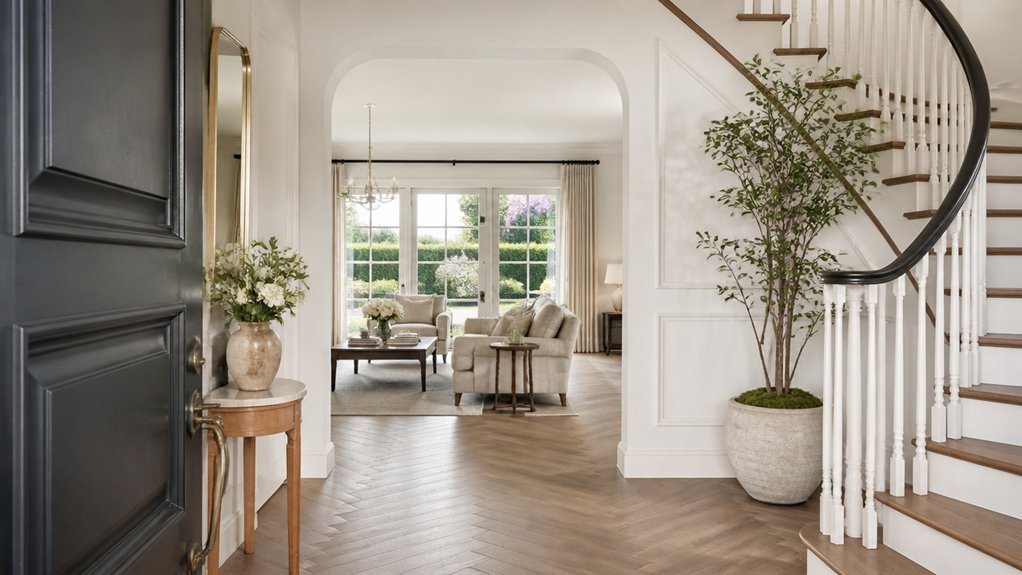
To structure a property listing that sells itself, start with verified facts: location, size, layout, condition, and what stays. Lead with a concise headline that highlights the home’s strongest appeal, then describe standout features, upgrades, and any limitations accurately. Help buyers picture daily life by connecting the layout and neighborhood to their routines. Add clear, well-lit photos alongside essential listing details, fees, and price. Finish with a specific invitation to book a showing or request information; the steps below make each part easier to get right.
Key Takeaways
- Lead with a concise headline highlighting the property’s strongest verified selling point, such as its location, setting, or standout amenity.
- Present essential facts—price, address, property type, size, bedrooms, bathrooms, lot size, and year built—accurately and consistently.
- Describe features, included appliances, upgrades, warranties, and known issues with specific, honest details.
- Help buyers picture daily life by connecting the layout, natural light, outdoor spaces, and nearby amenities to practical uses.
- Pair clear, well-lit photos with verified listing facts, then invite buyers to take a specific next step, such as booking a showing.
Gather the Property Details Buyers Need

Before you write a listing, gather the facts buyers need to assess the property and decide whether it fits their needs. Verify the address, property type, square footage, lot size, bedroom and bathroom count, and year built.
Gather verified property details before writing, so buyers can confidently assess whether the home suits their needs.
Confirm which appliances, fixtures, parking spaces, and other features stay with the home. Note recent upgrades, their dates, and any warranties you can document.
Describe the property’s condition accurately, and disclose known issues rather than leaving buyers to discover them later. Check property records and measurements so your details are consistent and credible.
Research nearby sales and current competition through a market analysis; use those findings to support your pricing strategy. Gather information about taxes, utilities, association fees, and access to schools or transit.
With reliable facts in hand, you’ll help buyers compare options, build trust, and make informed decisions.
Write a Standout Real Estate Listing Headline
With your property details verified, write a headline that gives buyers a clear reason to open the listing. Lead with the home’s strongest selling point, such as its location, distinctive setting, or a sought-after amenity. Keep the wording specific and easy to scan; vague claims like “dream home” won’t help your property stand out.
Use current market trends to understand which terms resonate with local buyers, but don’t chase buzzwords that don’t fit. If pricing strategies matter in your market, mention a compelling price point only when it’s accurate and useful.
Keep the headline concise enough to display well on search results and listing platforms. Before publishing, check that it matches the property details and sets realistic expectations. A clear, truthful headline attracts qualified clicks and gives your listing a stronger first impression.
Describe the Home’s Best Features Honestly
Describe the features buyers will value most, using specific details rather than broad claims. Instead of calling the kitchen beautiful, note its quartz counters, soft-close cabinets, and stainless-steel range. Mention modern upgrades such as a recently replaced furnace or energy-efficient windows, and include installation dates when you know them.
If a room has garden views, explain which windows frame the greenery; don’t imply every room overlooks the yard. You’ll build trust when you distinguish verified improvements from cosmetic touches and disclose any limitations that affect a feature’s usefulness.
Be precise about measurements, materials, and included appliances, and avoid superlatives you can’t support. A candid description helps buyers assess the home’s value and makes your strongest selling points more credible.
Check every detail against records before you publish.
Help Buyers Picture Life in the Home

Help buyers imagine how they might use the home by connecting its features to everyday routines. Describe how the kitchen supports quick breakfasts and relaxed dinners, or how a quiet nook gives you room to work without leaving the main living area. These practical details help buyers see more than square footage; they can picture a day unfolding there.
Use interior design to suggest possibilities, not dictate taste. Point out where natural light could brighten a reading corner or how an open layout could accommodate gatherings. Keep your examples grounded in the home’s actual features.
Then connect the property to its surroundings. Mention nearby parks, cafés, or transit as neighborhood amenities that can simplify errands and enrich weekends. When you show how the home fits a buyer’s lifestyle, you make its value feel personal and memorable.
Choose Photos and Include Essential Listing Facts
Choose clear, well-lit photos that show the home’s strongest features and give buyers an accurate sense of each room. Capture every key space from flattering angles, but don’t use filters or wide-angle effects that distort proportions. Include exterior shots, outdoor areas, and standout details, such as updated appliances or original woodwork.
A virtual tour can help buyers explore the layout before scheduling a visit, so make sure it’s easy to navigate and reflects the property accurately.
Pair strong visuals with essential listing facts. State the asking price, property type, bedroom and bathroom counts, square footage, lot size, and location. Highlight recent upgrades, included appliances, parking, and any relevant fees or restrictions.
Accurate details build trust and help buyers compare homes. Consider how pricing strategies affect the asking price, and verify every claim before publishing.
Add a Clear Call to Action for Buyers
End your listing with a clear next step so interested buyers know how to act. Invite them to schedule a showing, request more details, or submit an offer. Make the process simple by providing your phone number, email address, or a direct link to your booking calendar.
Tell buyers when you’re available and how quickly you’ll respond, so they feel confident reaching out.
Your call to action should match your sales approach. If you’re testing pricing strategies, encourage buyers to book a tour before the offer deadline.
Use your marketing channels consistently: repeat the same next step in your listing, social posts, and email campaigns. Avoid vague prompts such as “Contact us for information.”
A specific, timely invitation turns interest into action and helps you connect with qualified buyers sooner.
Conclusion
A property listing that sells itself starts with accurate details, a compelling headline, and honest descriptions that help buyers imagine living there. Add clear, high-quality photos and the essential facts, then make the next step easy with a direct call to action. You don’t need hype; you need a listing that answers buyers’ questions and earns their trust. As the saying goes, “Honesty is the best policy.” Put these pieces together, and you’ll give the right buyer a reason to reach out.
Leave a Reply