
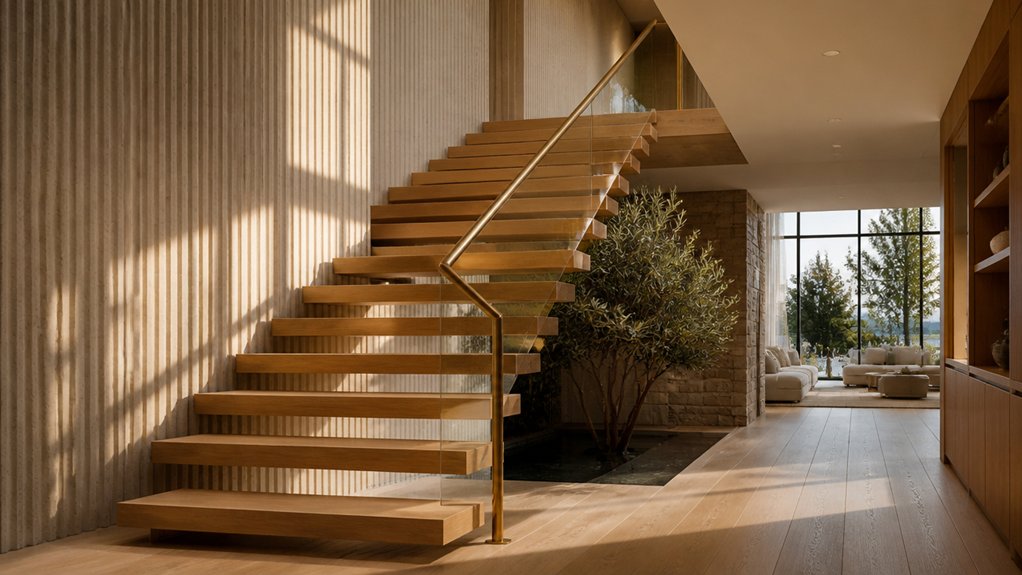
You can make buyers value architectural details by presenting craftsmanship, practical benefits, and preserved character together. Point out features like carved newel posts, crown molding, arched doorways, and built-in bookcases, explaining how they add beauty, storage, or natural light. Clean woodwork gently, keep rooms uncluttered, and use layered lighting to reveal texture and depth. Choose photos and listing language that show specific, verified details. During showings, guide visitors toward standout features; the next steps can help you make each one count.
Key Takeaways
- Highlight distinctive craftsmanship—such as coffered ceilings, carved mantels, original millwork, and arched doorways—with precise, verifiable descriptions.
- Connect each feature to buyer benefits: pocket doors improve flexibility, built-ins add storage, and window seats create inviting retreats.
- Photograph details in natural light, using uncluttered compositions and close-ups that reveal their materials, scale, and condition.
- Stage rooms to frame architectural focal points, using restrained furnishings and layered lighting to make craftsmanship stand out.
- Build buyer confidence by noting authentic restoration and complementary modern upgrades, while accurately disclosing wear or reproductions.
Which Architectural Details Attract Buyers?
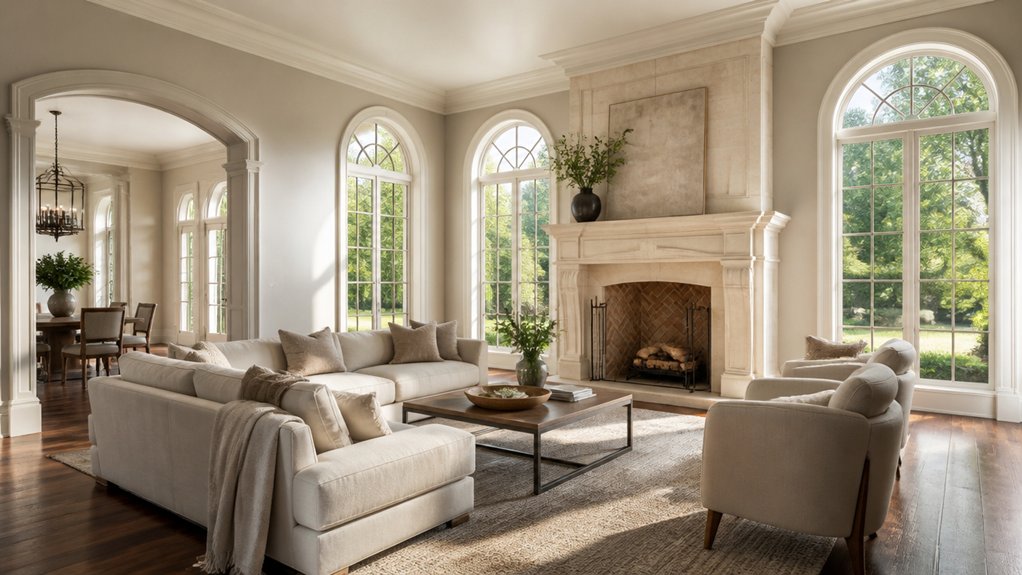
Buyers notice architectural details that make a home feel distinctive without sacrificing comfort. You can highlight crown molding, paneled doors, arched openings, and built-in bookcases to show craftsmanship and give rooms a sense of character. These features help buyers picture a home that feels considered, not generic.
Highlight distinctive architectural details to showcase craftsmanship and help buyers envision a home with character and comfort.
Historical influences, such as Craftsman beams or Victorian trim, can make your property memorable when they suit its style. Point out details that connect naturally to the home’s age and design rather than presenting them as isolated decorations.
Material finishes matter, too: warm wood, polished hardware, and textured stone create visual depth buyers can appreciate in person.
Emphasize details that also serve everyday needs, such as window seats, practical built-ins, or a graceful fireplace surround. When you describe these features clearly, buyers can see both their beauty and lasting value.
How Should You Prepare Original Woodwork and Ceilings?
Before you list your home, clean original woodwork and ceilings gently to reveal their character without damaging the finish. Dust trim, beams, and moldings with a soft brush or microfiber cloth, then use a barely damp cloth for grime. Test any cleaner in an inconspicuous spot, and avoid soaking wood or scrubbing away its patina.
If the finish looks dull, consult a restoration professional before applying polish or refinishing; the wrong product can obscure detail and reduce appeal.
For ceilings, remove cobwebs and address stains only after identifying their cause. Repair leaks first, then choose touch-up paint that matches the existing surface.
Preserve distinctive ceiling finishes, including plaster texture or decorative paint, rather than covering them with a uniform coat. Careful preparation helps buyers notice craftsmanship and imagine its lasting value.
Don’t overrestore: authenticity often makes the strongest impression.
How Can You Stage Built-Ins and Distinctive Features?
Showcase built-in storage by clearing clutter and arranging a few useful, attractive items.
Draw attention to architectural features with lighting and furniture that complement their lines and materials.
Create purposeful vignettes that help buyers picture how they’ll use each space.
Highlight Built-In Storage
Built-in storage can make a home feel both more spacious and more thoughtfully designed when you stage it with care. Clear each shelf and cabinet, then return only a few useful, attractive items. This lets buyers see the storage’s depth, quality, and everyday practicality instead of a jumble of belongings.
Arrange books in small groups, leave breathing room, and use baskets to contain smaller essentials. In a kitchen, keep counters clear so built-in cupboards stand out. In a bedroom, show how closets accommodate clothing without crowding. Highlight drawers, window seats, and recessed shelving with doors open where appropriate, making their function easy to understand.
Use restrained accessories to support Modern minimalism or Vintage charm without distracting from the storage itself. Your goal is to help buyers picture organized living—and recognize the lasting value these built-ins add to the home.
Style Architectural Features
Architectural details give a home its character, so style them to draw attention without competing with the room. Start by clearing surfaces around built-ins and distinctive features, letting their craftsmanship take center stage. Arrange furniture to preserve clear sightlines to a fireplace, staircase, or window seat, and keep walkways open so buyers can appreciate the room’s proportions.
Use lighting to reveal texture: switch on sconces, add warm bulbs, or direct a lamp toward ornamental moldings and decorative corbels. Choose furnishings in simple shapes and restrained colors, which help intricate details stand out. If a feature feels dated, avoid disguising it with clutter; instead, pair it with a few contemporary accents for balance.
Keep finishes clean and repair visible chips. When buyers can see how thoughtfully these elements fit the home, they’re more likely to value their lasting appeal.
Create Purposeful Vignettes
How can a built-in feel both useful and inviting? Give it a clear purpose, then stage it to show buyers how it fits daily life. Arrange a reading chair beside a bookcase, place a lamp on a desk nook, or set a few carefully chosen dishes inside a display cabinet. Leave breathing room; crowded shelves hide craftsmanship and make storage feel smaller.
Let each vignette highlight the home’s distinctive features. Use Material selection to guide your accents: pair original woodwork with complementary textures, not competing finishes. Preserve Historical accuracy by respecting period details and avoiding props that suggest a different era. Keep cords concealed, surfaces clean, and objects scaled to the architecture.
Your thoughtful styling helps buyers picture themselves using these features—and see lasting value in details they might otherwise overlook.
What Photos Show Off Architectural Character Best?

To make a property’s architectural character stand out, choose photos that reveal its distinctive details in context. Frame a carved mantel with enough of the room to show its scale, craftsmanship, and relationship to the windows. Capture original moldings, arches, or staircases in crisp, natural light, using angles that show their depth rather than flattening them.
Photograph architectural details in context, using natural light and thoughtful angles to reveal their depth, craftsmanship, and character.
For Historic charm, include period features alongside surrounding finishes. For Modern upgrades, photograph clean progressions between old structure and new elements.
Add a wide exterior shot to establish the home’s silhouette, then tighter images of brickwork, rooflines, or distinctive entryways.
Keep rooms uncluttered, straighten vertical lines, and avoid harsh flash. A thoughtful sequence helps buyers notice quality, imagine daily life, and understand why these architectural details make the property memorable.
How Do You Describe Architectural Details in Listing Copy?
Lead with specific features, such as a coffered ceiling or arched doorway, so buyers can picture the home’s character. Connect each detail to a benefit, showing how built-in shelves add storage or tall windows brighten a room.
Choose vivid, accurate language that makes the architecture memorable without overstating it. For example, you can mention cast iron radiators and that will suffice.
Lead With Specific Features
When listing a home, name its architectural features before relying on broad claims like “full of character.” Describe the arched doorway, coffered ceiling, or original millwork, and explain how each detail shapes the space.
Be precise about what buyers will see. Point out the custom moldings framing the dining room, the decorative corbels beneath the mantel, or the hand-carved newel post at the staircase. Use accurate terms, and mention where each feature appears so readers can picture it clearly.
If you know a detail’s material, age, or craftsmanship, include that information rather than making unsupported claims. “Oak beams cross the vaulted ceiling” gives buyers a concrete image; “stunning architecture” doesn’t.
Review each room and choose distinctive features worth naming. Specific, verifiable descriptions make your listing more memorable and help buyers recognize the home’s character without relying on vague praise.
Connect Details To Benefits
Naming an architectural feature gives buyers a clear picture; connecting it to a practical benefit helps them imagine living with it. Don’t stop at “original pocket doors.” Explain how they let you open rooms for gatherings or close off a study when you need quiet. Pair a deep, built-in window seat with the comfort of a sunny reading nook, or show how a covered porch extends outdoor dining through light rain.
For each detail, link its design to daily use, comfort, or long-term value. A restored staircase may preserve architectural authenticity while giving your entry lasting character. Carefully maintained millwork can reflect historical preservation and spare you the cost and effort of replacing custom elements.
Keep claims grounded in what the home offers, so buyers can picture the benefit without mistaking potential for a guarantee.
Choose Vivid, Accurate Language
Choose words that help buyers picture each feature without overstating what they’ll find. Replace vague praise like “charming” with concrete details: describe the carved oak mantel, original leaded-glass windows, or hand-laid mosaic entry. Specific language makes craftsmanship tangible and helps buyers imagine how each feature shapes daily life.
Balance appeal with accuracy. If you’re unsure whether a detail is original, verify its age before claiming it’s authentic. Note visible wear honestly, and distinguish preserved features from careful reproductions. Buyers value clear facts more than grand claims.
Then explain how modern enhancements complement the home’s character. Mention discreetly updated wiring, restored floors with a durable finish, or energy-efficient windows designed to suit the architecture. Use precise, sensory details, but don’t promise benefits you can’t confirm. Your listing earns trust when every vivid description matches what buyers will see in person.
How Can You Highlight Architectural Details at Showings?
A few thoughtful staging choices can turn architectural details into memorable selling points. Before buyers arrive, clear furniture and clutter from sightlines so they can appreciate original features without distraction. Use warm, layered lighting to reveal the depth of custom moldings and the craftsmanship of ceiling medallions.
Open curtains to emphasize tall windows, then position seating to frame a fireplace, built-in shelving, or graceful archway. Guide visitors through the home in a way that draws attention to these details naturally. Point out distinctive materials, skilled workmanship, and practical benefits, but let buyers take in each feature at their own pace.
A small sign or concise property sheet can share restoration history or design context. Keep the room’s palette restrained; simple furnishings help intricate details stand out and feel worth a premium.
Conclusion
Architectural details can turn a house into a home buyers remember—and value. Let polished woodwork, graceful ceilings, thoughtful staging, and well-chosen photos tell their story. Then describe each feature with care and point it out during showings, so buyers can picture living with its beauty every day. You don’t need to oversell; you need to make the character shine. When original details take center stage, they become more than charming touches—they’re the lasting notes that help your home stand out and inspire a stronger offer.
Leave a Reply