
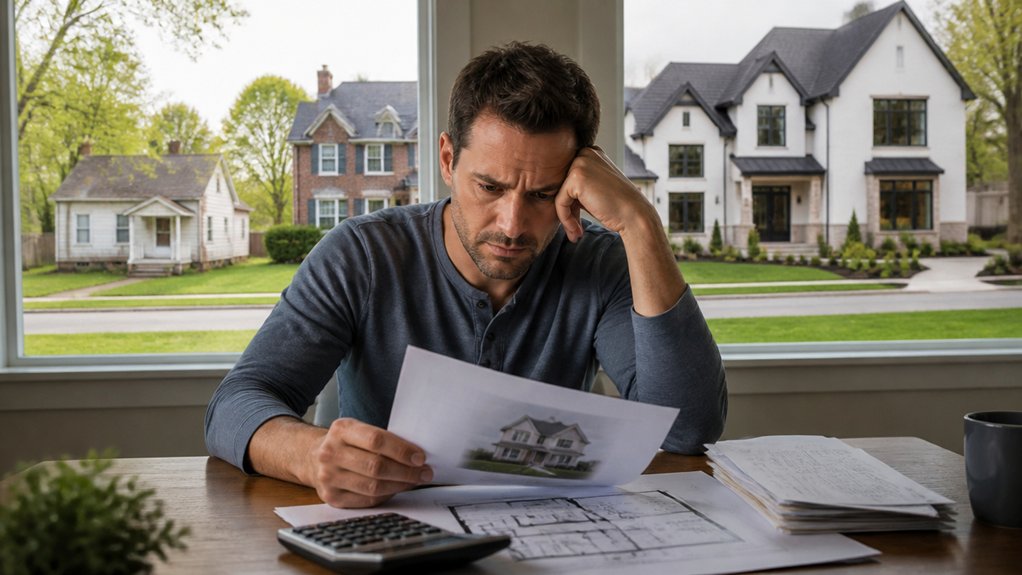
Property valuation mistakes can cost you thousands by setting your asking price too high or too low. Don’t rely solely on online estimates, which may miss your home’s features and condition, or use outdated sales that no longer reflect the market. Disclose repairs and property details, and compare your home with genuinely similar properties. Renovations don’t always return their full cost. A professional valuation can help you price confidently, avoid costly missteps, and understand the pitfalls before you list.
Key Takeaways
- Relying solely on online estimates can miss renovations, views, defects, and other details that affect a home’s true market value.
- Using outdated or poorly matched comparable sales can lead to an inaccurate price and weaken negotiations.
- Omitting repairs, upgrades, landscaping, or boundary issues may cause an incomplete valuation and undervalue the property.
- Overestimating renovation returns can push a home above local buyer expectations, prolonging the sale and forcing price cuts.
- Overpricing can deter buyers and increase holding costs, while underpricing can mean thousands in lost proceeds; consider a professional valuation.
Relying on Online Estimates Alone

Online valuation tools offer a quick starting point, but relying on them alone can lead you to misprice your property. Online estimates use broad data and algorithms, so they may miss features that strongly affect your home’s value.
A renovated kitchen, unusual layout, deferred maintenance, or desirable view can shift a buyer’s offer—but a tool may not recognize these details accurately.
Digital appraisals can help you understand market signals, yet they can’t replace a professional’s judgment. An experienced local appraiser or real estate agent can inspect your property, assess its condition, and account for features that automated systems overlook.
Use online figures as a preliminary reference, not a final answer. Before setting your asking price or making a major financial decision, seek an informed, property-specific assessment. That extra care can help you avoid costly pricing mistakes.
Using Outdated Comparable Sales
If you rely on old comparable sales, you may miss how the market has changed since those transactions. Neighborhood values can shift quickly, making once-relevant sales poor indicators of your property’s worth.
Use recent comparable sales from a local estate agent to support a credible valuation.
Market Changes Since Sale
When did the comparable sale occur? A home that sold months ago may no longer reflect today’s market. Interest rates, buyer demand, available inventory, and economic conditions can shift quickly, changing what buyers will pay. If your appraiser relies on sales from a different market moment without accounting for those changes, the estimate may miss your home’s current value.
Market fluctuations don’t automatically make an older sale useless, but they do require careful analysis. Your appraiser should compare the sale date with the valuation date and adjust for measurable changes in prices and market conditions.
Ask whether the selected comparables reflect the market you’re facing now, not the one buyers encountered months earlier. A timely, well-supported adjustment can strengthen appraisal accuracy and help you challenge a valuation that could cost you thousands.
Shifting Neighborhood Values
As neighborhoods evolve, outdated comparable sales can misrepresent your home’s value. A sale from several months ago may reflect conditions that no longer exist on your street.
New businesses, improved parks, school changes, or rising demand can reshape buyer perceptions and shift values unevenly across nearby areas.
Pay attention to Neighborhood trends that distinguish your block from the broader market. If your area has gained amenities or attracted new investment, older sales may understate what buyers would pay today.
Conversely, declining services or construction disruptions can weaken demand, even when nearby communities remain strong.
Local appreciation also varies by property type and location. Don’t assume a general market increase applies equally to your home.
Ask your appraiser to account for meaningful neighborhood changes and explain how they affect the valuation. That context can help you challenge an estimate that misses your area’s direction.
Recent Comparable Sales
Neighborhood changes matter, but the sale dates of comparable homes matter too. If your valuation relies on sales from months or years ago, it may miss shifts in demand, interest rates, or local inventory. Those outdated figures can make your home appear more or less valuable than it’s today.
Ask your appraiser to prioritize recent sales of properties similar in size, condition, and location. Historical data still helps reveal long-term trends, but it shouldn’t replace current evidence.
In appraisal processes, timing affects accuracy: even a nearby sale may offer a weak comparison if the market has changed since closing.
Review the selected comparables and question stale dates. You can provide details about recent neighborhood sales, but let verified evidence guide the estimate.
Current comparisons strengthen your valuation and help you avoid costly pricing or tax disputes.
Missing Repairs and Property Details
Unreported repairs and overlooked property details can distort a valuation just as much as incorrect square footage. Before an appraisal, document your home’s condition and provide clear evidence of upgrades, maintenance, and defects. If you’ve replaced a roof, repaired a foundation, or modernized major systems, share dates, permits, and receipts. These records help the appraiser assess the property accurately instead of relying on visible clues alone.
Don’t overlook features beyond the interior. Landscaping errors, such as failing to note mature trees or drainage improvements, can affect perceived condition and usability. Property boundary issues also deserve attention: provide surveys or legal documents if fences, easements, or lot lines are disputed.
Correcting inaccurate records and disclosing relevant details gives the appraiser a fuller picture—and reduces the risk that missing information will undermine your home’s assessed value.
Comparing Homes That Don’t Match
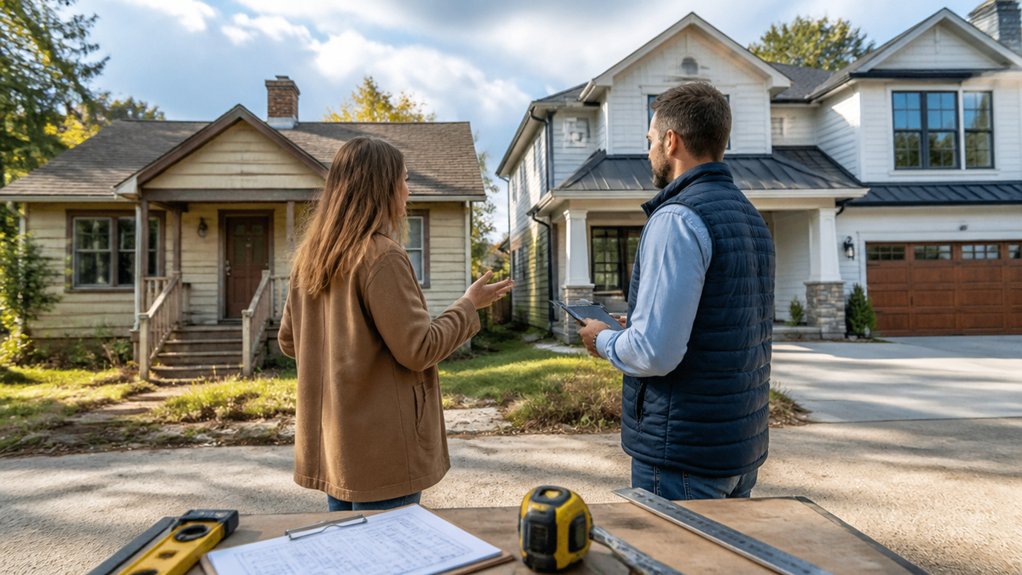
A valuation can go wrong when an appraiser compares your home with sales that only seem similar. A nearby property may look like a useful benchmark, yet differences in location, lot size, layout, or condition can distort your estimate. You should check whether each comparable sale truly reflects your home’s market and features.
Luxury amenities, such as a pool or private elevator, can affect value, but only when buyers in your area pay for them. Likewise, zoning restrictions may limit how a property can be used, changing its appeal and sale price.
Don’t accept a comparison simply because a home sits nearby or has similar square footage. Ask your appraiser to explain why each sale qualifies and to account for meaningful differences. Sound comparisons help protect you from an inaccurate valuation.
Overestimating Renovation Value
Even well-executed renovations may add less to your home’s value than you expect. A new kitchen or finished basement can improve your comfort and appeal, but buyers rarely repay every dollar you spend. Your return depends on local demand, workmanship, materials, and how the upgrade compares with nearby homes.
Renovations can boost comfort and appeal, but local demand and nearby home values shape how much buyers will repay.
Historical trends can offer useful context, yet they don’t guarantee what buyers will pay today.
Before committing, compare Renovation costs with realistic resale gains—not the project’s emotional value or the contractor’s estimate. Over-improving for your neighborhood can leave you with a home priced beyond what local buyers consider reasonable.
Choose upgrades that address clear needs, suit the property, and fit prevailing standards. Keep receipts and document improvements, but don’t treat spending as proof of equal added value. A measured budget protects your equity.
Skipping a Professional Valuation Check
After setting a realistic budget for improvements, don’t rely on your own estimate to price the property. Your attachment to the home, recent renovation costs, or a neighbor’s sale can skew your judgment.
A qualified professional brings local market data and comparable sales to the process, helping you distinguish genuine value from wishful thinking.
A Property appraisal can also reveal issues you may overlook, such as deferred maintenance, outdated features, or location factors that affect buyer demand.
Ask the appraiser to explain their methods and provide evidence for key adjustments. This gives you a clearer basis for setting an asking price, negotiating an offer, or planning a sale.
Without expert input, you risk pricing too high and losing buyers—or selling below market value.
Invest in valuation accuracy before making costly decisions.
Conclusion
A property valuation can look like a small number on a screen, but a few overlooked details may quietly trim thousands from your home’s worth. Don’t let outdated sales, mismatched comparisons, or optimistic renovation estimates steer you off course. Check the facts, document your home’s condition, and get a professional opinion when the stakes are high. A careful review now can help you avoid an expensive surprise later—and give you greater confidence when it’s time to sell or refinance.
Leave a Reply